
Foundation Models for Real-Time Embedded Systems
A tutorial at RTSS 2026, the 47th IEEE Real-Time Systems Symposium · Yokohama, Japan
Tarek Abdelzaher · Shengzhong Liu · Jinyang Li · Tomoyoshi Kimura
CyPhy Research Group, University of Illinois Urbana-Champaign · Shanghai Jiao Tong University
At a Glance
- Date & room: To be announced (RTSS 2026 runs December 9–11, 2026, with Hot Topics Day on December 8)
- Location: Yokohama, Japan
- Time: To be announced (fixed once the RTSS 2026 program is published)
- Length: Three hours
- Format: Lecture, closing with a live demonstration on real sensing hardware
- Background needed: None in foundation models — we start from first principles
- Bring: Nothing — the demonstration is watchable, and slides are posted after the session
Overview
Foundation models — large models pretrained on unlabeled data and then adapted to many downstream tasks — have reset expectations for what learning-enabled systems can do. Nearly all of that progress has come from text and images. Embedded and cyber-physical systems run on a different kind of data, under a different set of constraints, and the recipes that worked for LLMs and VLMs do not transfer cleanly.
This tutorial is an introduction to foundation models for people who build real-time and embedded systems. We explain how these models actually work, then focus on what changes when the inputs are sensor streams and the deployment target is an embedded-class device. Our argument is that the real-time and embedded systems community is unusually well positioned to lead here — the hard problems in embedded self-supervised learning are systems problems.
Two bottlenecks shape the field
Most current research directions in embedded foundation models trace back to one of two constraints:
- Training data. Sensor data are expensive to collect and annotate, and there is no equivalent of the large curated corpora that made text and image models possible. This pushes the field toward models that learn more from less.
- Inference resources. On an embedded platform, computation is increasingly driven by the volume, rate, and content of incoming data rather than by a fixed code path — which is exactly the regime real-time systems research has always cared about.
We survey how the field is responding: compact foundation models that need less data to train and can run on embedded hardware, bringing data-efficient learning and resource-aware inference into a single design space. We also look at what this means for middleware, as embedded applications become AI-enabled and need new abstractions to support models in the loop.
What you will take away
- A working mental model of how self-supervised pretraining produces a foundation model.
- A clear picture of how embedded foundation models differ from mainstream ones, in both training and inference.
- Familiarity with the current state of the art on data efficiency and resource-aware inference at the edge.
- A set of open research problems, including middleware capabilities that do not exist yet.
- A concrete picture of what a compact embedded foundation model looks like in practice, shown running across a real distributed sensing system.
Schedule
The tutorial runs for three hours. The exact slot is tentative and will be fixed once the RTSS 2026 program is published.
Part 1 — The real-time bottleneck: foundation models at the edge 90 min
| Approx. Length | Session |
|---|---|
| 90 min |
The real-time bottleneck Presented from first principles with no prior background assumed. We begin with the shift toward data-driven AI in embedded computing and why it lands squarely in the real-time systems community's territory, then cover how foundation models actually work — self-supervised pretraining without labels, and what "foundation model" means once you strip away the marketing. From there we turn to what makes embedded different: the training-data bottleneck and the inference-resource bottleneck, how properties of the physical world can be used to inform learning, and how limits in compute, memory, and power shape what can be deployed. We close on the state of the art against both bottlenecks, what remains unsolved, and the role of middleware as embedded applications become AI-enabled. |
Part 2 60 min
| Approx. Length | Session |
|---|---|
| 60 min |
To be announced Content for this hour is still being finalized; it will be posted here once settled. |
Part 3 — Demonstration 30 min
| Approx. Length | Session |
|---|---|
| 30 min |
VibroFM training and Acies-OS A live demonstration on real hardware. How VibroFM — a compact foundation model for vibration-based sensing, pretrained on unlabeled acoustic and seismic data — is trained, and how it is deployed and executed on Acies-OS, the edge AI middleware that handles sensor data collection and streaming, model inference services, and computation placed across several sensing nodes and a central edge server. |
Who Should Attend
Anyone at RTSS is welcome — researchers, students, and practitioners alike. There are no prerequisites. We start from first principles and assume no prior experience with foundation models.
You may find it especially useful if you are curious about any of these:
- Where foundation models might open up new research directions in real-time and embedded computing.
- What it takes to build foundation models for embedded and sensing applications.
- How edge platforms and middleware need to change to support distributed embedded AI.
Machine learning researchers are just as welcome as systems people: much of the session is about the systems challenges of getting models to run at the edge, which is a side of the problem that rarely comes up in ML venues.
Before you arrive
Nothing is required to attend and nothing needs installing — the closing demonstration is fully watchable. If you would like to read ahead, the background papers below cover the systems it draws on. Slides are posted after the session.
Materials & Links
Tutorial materials
- Tutorial code and examples — GitHub repository, link posted before the conference
- Slides — posted after the session
GitHub Repositories
- Acies-OS github.com/acies-os/acies-os
Presenters
The tutorial comes out of the CyPhy Research Group at the Siebel School of Computing and Data Science, University of Illinois Urbana-Champaign, and its alumni. Credit goes to the whole group; the presenters are below.
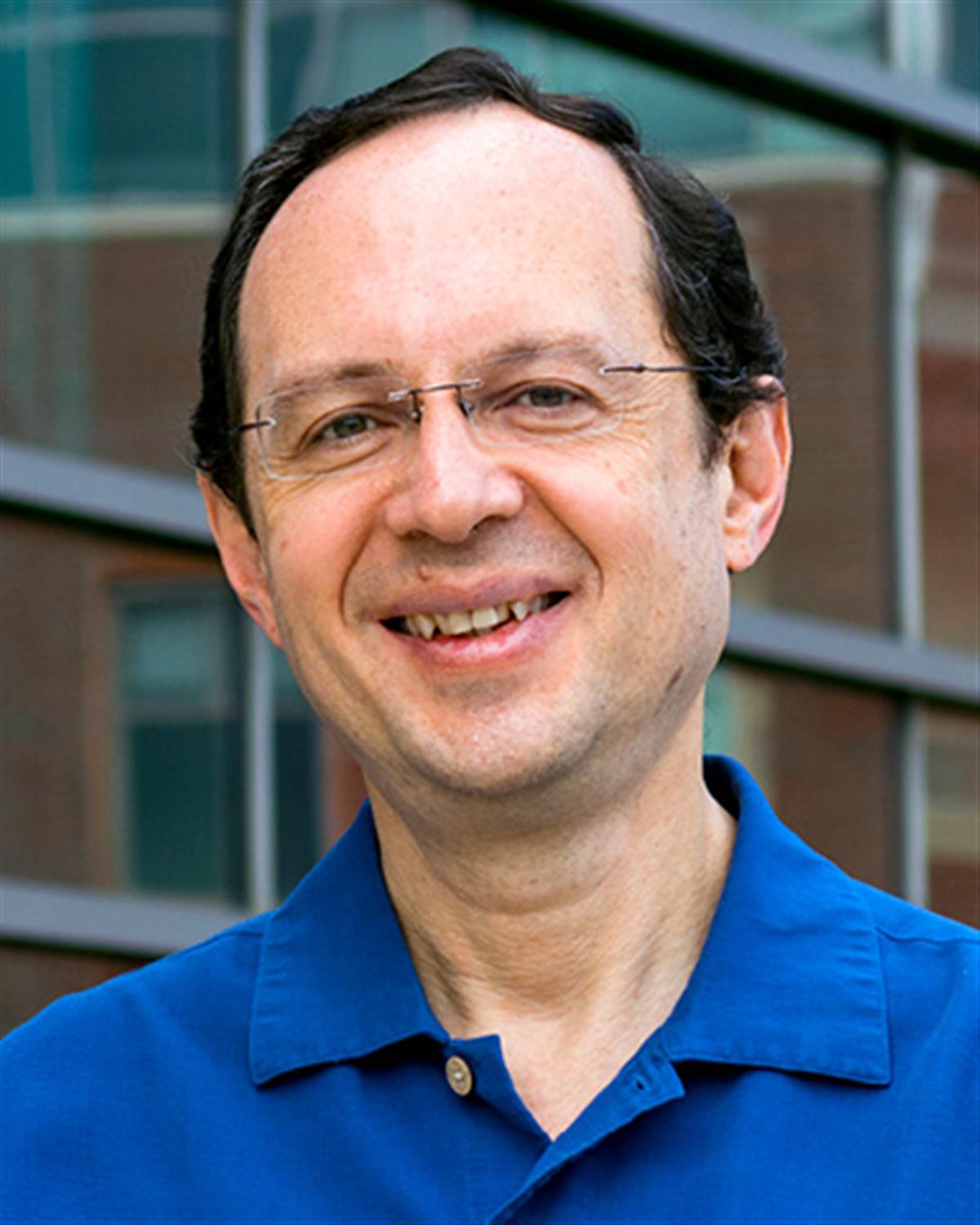
Tarek Abdelzaher
Sohaib and Sara Abbasi Professor of Computer Science, Willett Faculty Scholar
Siebel School of Computing and Data Science, UIUC
Tarek works on real-time and embedded computing, sensor networks, IoT, and edge AI, with over 450 refereed publications in the area. He was Editor-in-Chief of the Journal of Real-Time Systems for 15 years and has served as an associate editor of IEEE TMC, IEEE TPDS, ACM ToSN, ACM TIoT, and ACM ToIT. He has chaired RTSS, SenSys, INFOCOM, ICDCS, IPSN, RTAS, DCoSS, and ICAC. He received the IEEE Outstanding Technical Achievement and Leadership Award in Real-Time Systems (2012), a Xerox Research Award (2011), and more than 15 best-paper and distinguished-paper awards. He is a Fellow of the IEEE and the ACM, and received his PhD from the University of Michigan in 1999.
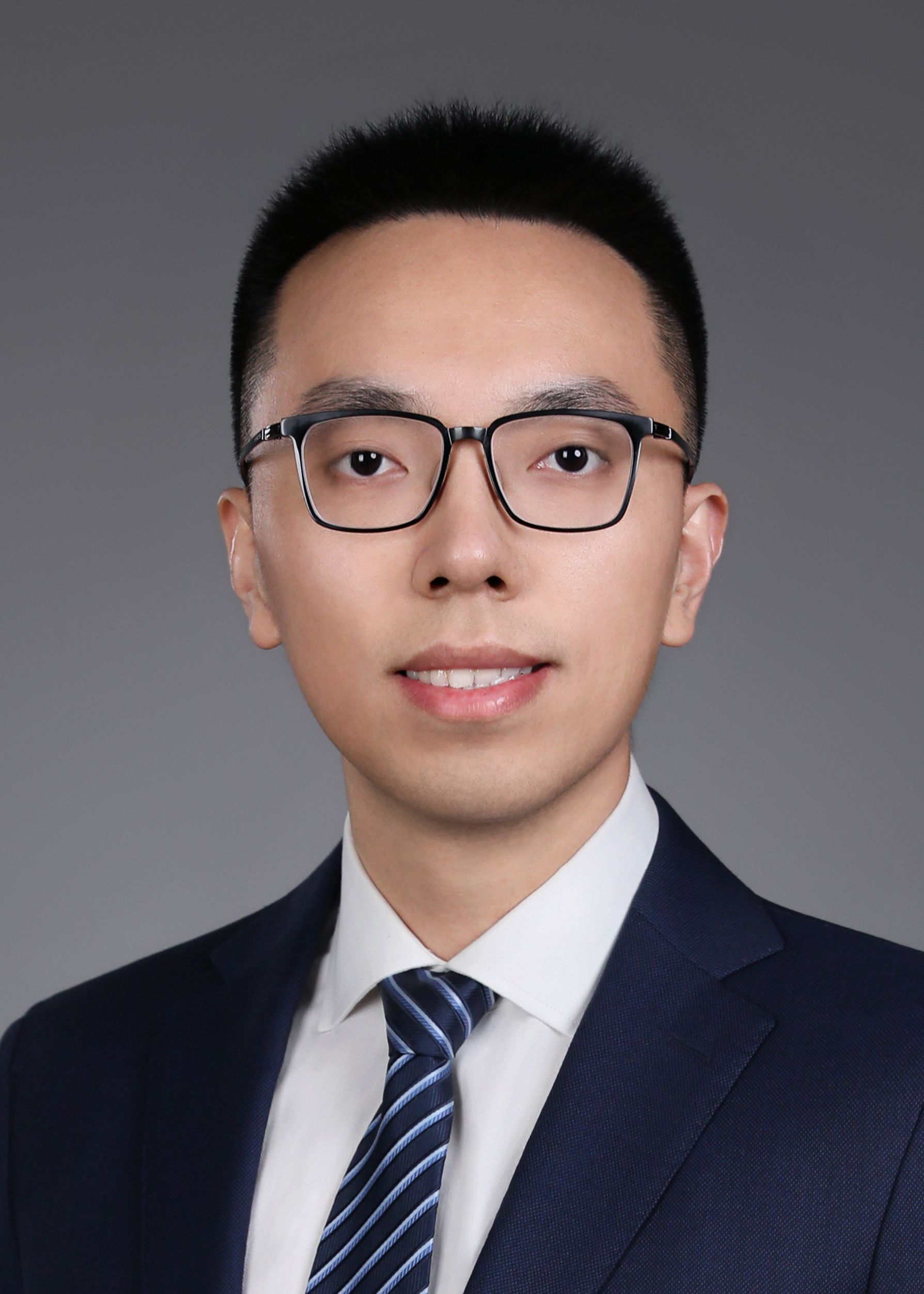
Shengzhong Liu
Tenure-Track Associate Professor
School of Computer Science, Shanghai Jiao Tong University
Shengzhong works on multimodal edge intelligence: foundation models for multimodal sensing, resource management for AI systems, and mobile–edge–cloud collaboration. He received his PhD in Computer Science from UIUC in 2021, advised by Prof. Tarek Abdelzaher, and was a postdoctoral research associate in the Coordinated Science Lab before joining SJTU in 2023.
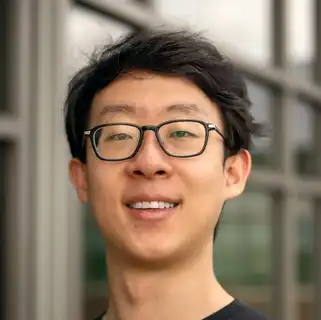
Jinyang Li
Researcher, Discovery Partners Institute
University of Illinois
Jinyang works at the intersection of deep learning, cyber-physical systems, and the artificial intelligence of things, spanning latency and thermal modeling for DNN workloads, DNN runtime optimization, generative and self-supervised learning, and networked distributed sensing. He is the primary designer of Acies-OS and has received several best paper awards. He received his PhD in Computer Science from UIUC in 2025, advised by Prof. Tarek Abdelzaher, and was a postdoctoral research associate in the Coordinated Science Lab before joining DPI.
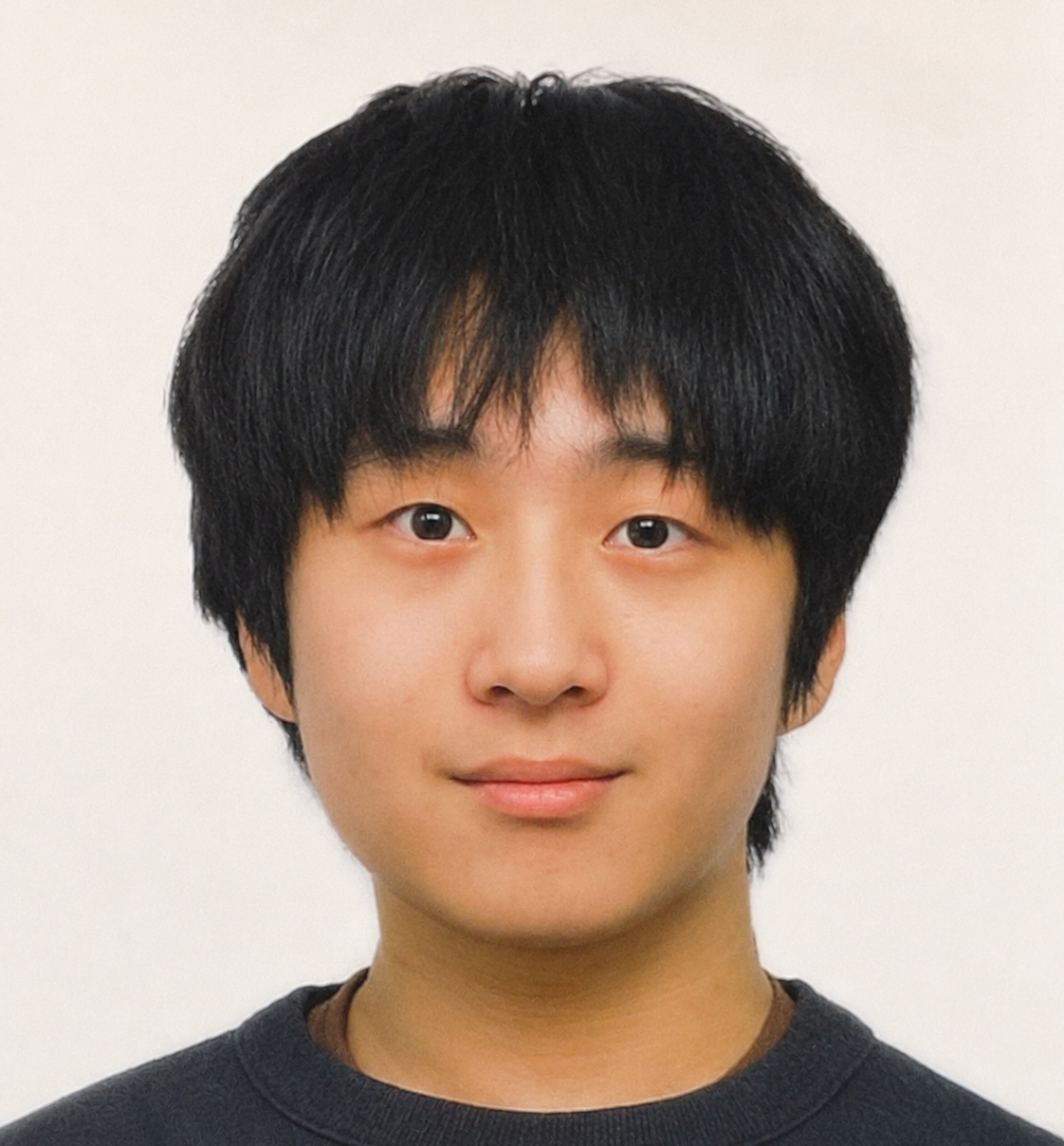
Tomoyoshi Kimura
Ph.D. Student in Computer Science
Siebel School of Computing and Data Science, UIUC
Tomoyoshi builds intelligent sensing systems, focusing on learning frameworks for multimodal time-series signals and efficient foundation models for cyber-physical systems and IoT. He is the primary developer of VibroFM, and his work has appeared at NeurIPS, ICML, WWW, IMWUT, SenSys, and INFOCOM. He works with Prof. Tarek Abdelzaher.